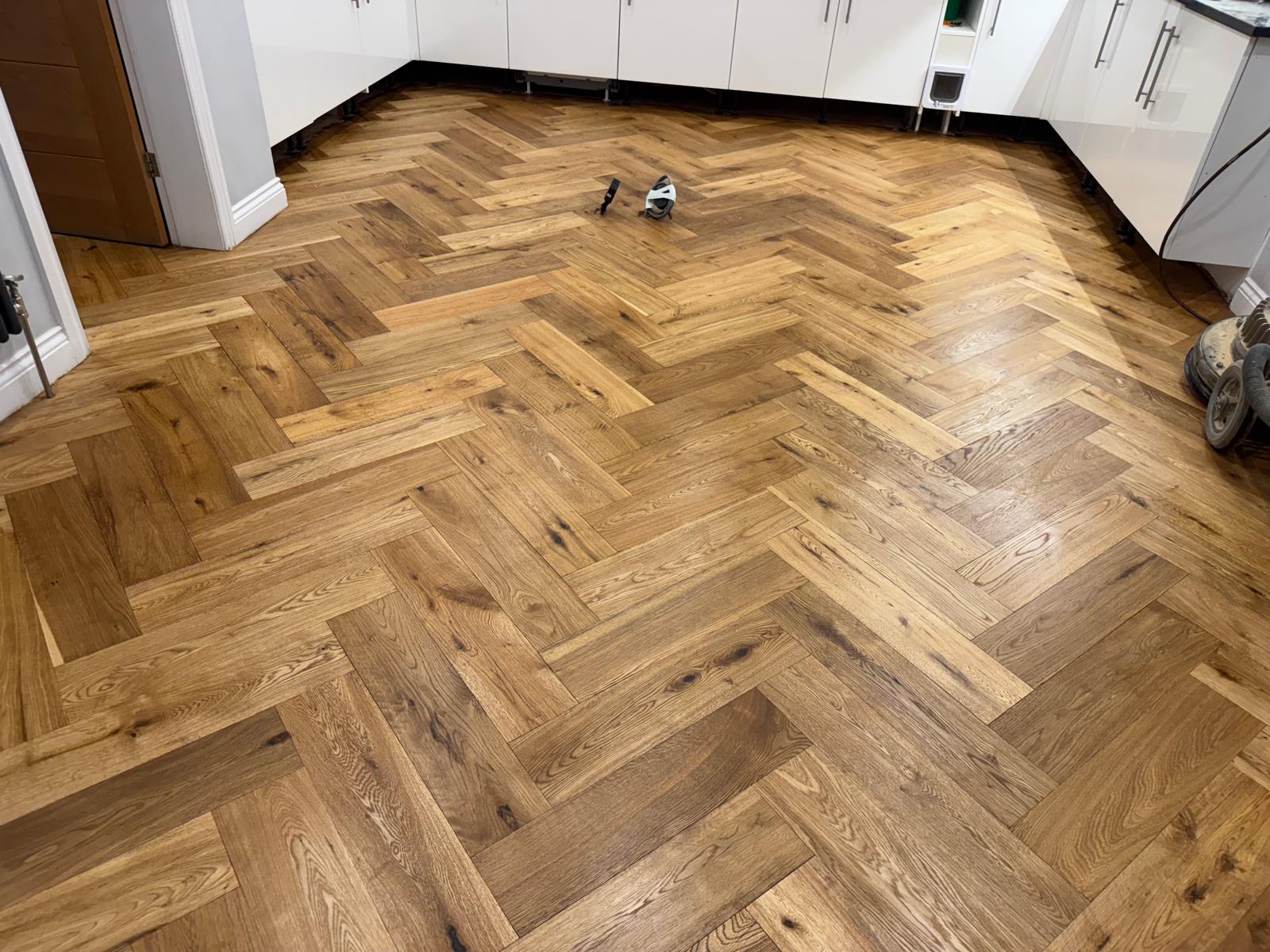
Yorkshire is home to some of Britain’s most distinctive period properties. From Victorian terraces and Edwardian family homes to stone-built cottages and traditional townhouses, many of these buildings still contain one remarkable original feature hidden beneath carpets, laminate and vinyl flooring – their original timber floorboards.
While many homeowners assume these old wooden floors have reached the end of their life, the opposite is often true. Across Barnsley, Doncaster, Sheffield, Leeds, Wakefield, Bradford and Huddersfield, thousands of original pine floorboards and hardwood floors remain structurally sound despite being well over a century old.
At Wood Floor Sanding Professionals, we regularly uncover beautiful timber flooring that has been hidden for decades. Time and again, homeowners are surprised to discover that what looked like an ageing, worn floor can often be restored rather than replaced, preserving both the character and history of the property.
Yorkshire Was Built During Britain’s Great Building Boom
To understand why so many Yorkshire homes still have original wooden floors, it helps to understand when much of the region was built.
During the Victorian and Edwardian periods, Yorkshire experienced enormous growth. Expanding industries such as coal mining, steel production, engineering and textiles created a demand for new housing across the region.
Entire communities were built to accommodate workers and their families.
Whether it was a row of red-brick terraces in Barnsley, stone cottages around Huddersfield or elegant villas in Leeds, timber floorboards were the standard flooring choice of the time.
Unlike many modern homes, these properties were built using slow-grown timber, often sourced from mature forests. The result was dense, durable floorboards designed to last for generations.
More than 100 years later, many of those same boards remain beneath today’s floor coverings.
Why Were So Many Wooden Floors Covered Up?
One question we hear regularly is:
“If these floors are so beautiful, why did people cover them up?”
The answer has more to do with changing fashions than the condition of the timber.
During the 1960s, 70s and 80s, fitted carpets became increasingly popular throughout the UK. Carpets were seen as warmer, quieter and more fashionable, leading many homeowners to cover original timber floors rather than remove them.
Later, laminate flooring and vinyl became affordable alternatives that offered a quick way to update a room without exposing the original floor beneath.
As a result, countless Yorkshire homes still have perfectly restorable timber flooring hidden beneath modern floor coverings.
Today, many homeowners are reversing that trend by uncovering and restoring these original features rather than replacing them.
Why Older Timber Is Often Better Than Modern Timber
One of the biggest surprises for homeowners is the quality of the timber beneath their feet.
Many Victorian and Edwardian floorboards were produced from slow-grown pine and other mature timbers that developed tighter grain patterns over decades.
This slower growth often created denser, stronger timber than is commonly available today.
That’s one of the reasons why original floorboards can often withstand professional wood floor sanding and refinishing many decades after they were first installed.
Rather than viewing an old floor as something to replace, it’s often better to think of it as a valuable original feature that simply needs careful restoration.
More Than Just a Floor
Original timber flooring tells the story of a home.
The subtle colour variation, natural knots and grain patterns reflect materials that were available when the property was built.
Small imperfections are part of that history.
Unlike factory-produced flooring, original floorboards develop character over time, making every restored floor unique.
Many homeowners tell us that restoring their original floors changes the entire feel of the property, bringing warmth and authenticity back into rooms that had lost some of their original charm.
A Different Story Across Yorkshire
Although Yorkshire shares a rich architectural heritage, each area has its own distinctive housing character, and that’s reflected in the types of wooden floors we often see.
South Yorkshire
Barnsley, Doncaster and Sheffield experienced rapid growth during the Industrial Revolution.
Mining communities, railway expansion and the steel industry created thousands of well-built terraced houses and family homes, many with original pine floorboards that remain hidden beneath carpets today.
These homes were built to last, and many of their timber floors have survived remarkably well.
West Yorkshire
Leeds, Bradford, Wakefield and Huddersfield developed around textiles, engineering and manufacturing.
The region includes everything from traditional mill workers’ terraces and stone-built cottages to larger Victorian villas and handsome Edwardian suburban homes.
Many of these properties retain their original timber flooring, often protected beneath decades of floor coverings.
Because these homes were constructed using high-quality materials, professional wood floor restoration frequently reveals timber that still has many years of life remaining.
Yorkshire’s Most Common Period Homes
If you own one of these property types, there’s a good chance original timber flooring may still be present.
- Victorian terraced houses
- Edwardian semi-detached homes
- Stone cottages
- Period townhouses
- Former mill workers’ houses
- Mining cottages
- Traditional Yorkshire farmhouses
- Early twentieth-century family homes
Every property is different, but many still contain original floorboards that were intended to be seen rather than hidden beneath carpets.
How Can You Tell If Your Home Has Original Floorboards?
There are often subtle clues.
You may notice:
- Timber visible inside cupboards.
- Floorboards beneath lifted carpets.
- Original timber around fireplaces.
- Gaps between older floorboards.
- Raised thresholds between rooms.
- Floor vents set into timber rather than concrete.
Many homeowners only discover their original floors during decorating or renovation projects.
Even if the timber looks tired, scratched or stained, professional restoration may still be possible.
Did You Know?
Many Victorian homes were originally designed with exposed timber floors rather than fitted carpets.
Decorative rugs were used to provide warmth while allowing much of the natural timber flooring to remain visible.
In many ways, today’s trend for restoring original floorboards is simply a return to how these beautiful homes were first intended to look.
Original Floorboards Across Yorkshire’s Towns and Cities
One of the things that makes Yorkshire unique is the variety of homes found across the county. Although many properties share a similar age, the industries that shaped each town created very different styles of housing, each with its own character and, in many cases, beautifully crafted original timber flooring.
Barnsley – Mining Communities Built to Last
Barnsley’s rapid expansion during the Victorian era was driven by coal mining and industry. Rows of solid brick terraces were built for mining families, many using slow-grown pine floorboards throughout the property.
Today, those same homes often hide original timber beneath carpets that have remained untouched for decades.
Although homeowners are sometimes concerned about scratches, paint splashes or old carpet gripper marks, these are usually cosmetic rather than structural. Professional wood floor sanding can often reveal beautiful timber that complements the property’s original character.
Doncaster – Victorian Growth and Family Homes
Doncaster’s railway heritage and continued expansion created a wide mix of Victorian terraces, Edwardian homes and larger family properties.
Many still retain their original timber flooring, particularly in living rooms, bedrooms and hallways.
We regularly find that homeowners are surprised by the quality of the timber once old carpets are removed. Even floors that appear tired at first glance often respond exceptionally well to professional restoration, allowing the original grain and colour of the wood to shine through once again.
Sheffield – Homes Built for the Steel City
Sheffield’s industrial success produced thousands of traditional brick terraces, many of which still form the heart of the city’s residential neighbourhoods today.
These homes were built during a period when solid timber flooring was considered standard construction rather than a luxury feature.
Original pine floorboards are particularly common, and because many have spent years protected beneath carpets, they can often be restored rather than replaced.
For homeowners looking to retain the character of a Sheffield property, restoring the original floor is frequently one of the most rewarding improvements they can make.
Leeds – Elegant Victorian Villas and Character Properties
Leeds offers one of the widest varieties of period housing anywhere in Yorkshire.
From substantial Victorian villas in areas such as Roundhay and Chapel Allerton to traditional terraced housing in Headingley and Horsforth, many properties still contain original timber flooring throughout.
These homes often feature wider floorboards, decorative fireplaces, high ceilings and other architectural details that deserve to be preserved.
Restoring original wooden floors helps bring these period features together while creating a practical surface suited to modern family life.
Wakefield – Traditional Yorkshire Family Homes
Wakefield’s housing stock reflects both its industrial heritage and its role as a thriving market city.
Across the area you’ll find Victorian terraces, Edwardian semis and traditional family homes where original timber flooring remains an important part of the property’s history.
Professional restoration allows homeowners to retain these original features while protecting the timber for many years to come through modern sanding and refinishing techniques.
Bradford – Rich Architectural Heritage
Bradford is known for its impressive Victorian architecture, from grand stone buildings to substantial family homes built during the city’s textile boom.
Many of these properties still contain beautifully crafted timber flooring beneath more recent floor coverings.
Older pine floorboards often display attractive grain patterns and natural character that simply cannot be replicated with modern manufactured flooring.
When restored correctly, they become one of the home’s defining features.
Huddersfield – Stone Cottages and Pennine Character
Huddersfield’s stone-built cottages and Victorian homes have a character all of their own.
Many properties throughout the area feature original timber floors that have quietly survived generations of family life.
These homes were built using quality materials intended to last, and original floorboards often reflect that same level of craftsmanship.
Rather than replacing them, restoration allows homeowners to preserve part of the building’s history while creating a beautiful, durable floor for everyday living.
Why Restoration Makes Sense for Period Homes
Every scratch, knot and grain pattern tells part of a property’s story.
Replacing original timber flooring with modern alternatives may change the appearance of a room, but it also removes one of the home’s original features.
Professional wood floor restoration offers a different approach.
Instead of replacing quality timber, the existing floor is carefully repaired where necessary, professionally sanded and refinished using modern protective coatings.
The result is a floor that retains its history while performing beautifully in a modern home.
For many Yorkshire homeowners, restoration is about far more than appearance.
It’s about preserving craftsmanship that has already lasted for generations.
Modern Floor Sanding Has Helped Bring Original Floors Back into Fashion
Over the last twenty years there’s been a noticeable shift in how homeowners view original timber flooring.
Where previous generations often covered floorboards with fitted carpets, today’s homeowners increasingly appreciate the warmth, individuality and character that natural wood brings to a room.
Modern dust-free floor sanding has played a significant part in that change.
Professional sanding equipment now allows original timber floors to be restored with far less disruption than many people expect.
Combined with high-quality hardwax oils, commercial lacquers and modern finishing products, original floorboards can be transformed into beautiful, durable floors designed to last for many more years.
If you’re interested in the restoration process itself, our guide to What Is Dust-Free Floor Sanding and Does It Really Work? explains exactly how modern sanding technology has changed the industry.
Before You Replace Your Wooden Floors…
It’s easy to assume that an old floor has reached the end of its life.
However, we regularly inspect floors that homeowners believe need replacing, only to discover they’re excellent candidates for restoration.
Paint splashes, worn finishes, scratches, faded timber and years of everyday wear rarely tell the full story.
Professional assessment often reveals that the timber beneath remains remarkably strong.
Before investing in replacement flooring, it’s always worth understanding what can be achieved through professional wood floor restoration.
Restoring Original Floorboards Is About More Than Appearance
When homeowners first uncover original timber flooring, it’s natural to focus on how it looks.
Years of paint, old varnish, carpet underlay stains and surface scratches can make even the best-quality floor appear tired.
But appearance is only part of the story.
Original floorboards are part of the building’s history.
Every knot in the timber, every variation in colour and every board laid by the original craftsmen contributes to the character of the home.
Unlike modern manufactured flooring, these floors weren’t designed to imitate wood.
They are the wood.
Professional restoration isn’t about making an old floor look brand new.
It’s about revealing the beauty that has always been there while protecting it for the future.
That’s one of the reasons restored timber flooring often feels so authentic.
It hasn’t been replaced.
It’s simply been given the opportunity to shine again.
Common Myths About Original Wooden Floors
Over the years, we’ve heard almost every concern imaginable.
Fortunately, many of the most common assumptions simply aren’t true.
“My Floor Is Too Old To Be Saved.”
Age alone tells us very little.
Some of the oldest floors we see are often in the best structural condition because they were built using slow-grown, high-quality timber.
A professional inspection is always worthwhile before assuming replacement is necessary.
“The Scratches Are Too Deep.”
Surface scratches, worn finishes and everyday wear are exactly what professional wood floor sanding is designed to address.
Although every floor is different, many scratches disappear completely during the sanding process.
“Paint Means The Floor Is Ruined.”
Not at all.
Paint splashes, old varnish and years of built-up finishes can usually be removed during professional restoration.
Many homeowners are amazed by the quality of the timber revealed underneath.
“Replacement Is Always The Better Option.”
In reality, replacement is often the last resort.
If the timber remains structurally sound, restoration usually allows homeowners to preserve one of the property’s most valuable original features.
Why Original Floors Are Becoming More Desirable
Over the last decade, homeowners have increasingly moved away from replacing original features simply because they’re old.
Instead, there’s been a growing appreciation for craftsmanship, sustainability and authentic materials.
Original timber flooring reflects all three.
Unlike many modern flooring products, older timber often displays tighter grain, greater density and natural character that simply can’t be manufactured.
It’s one of the reasons restored wooden floors frequently become the focal point of a room.
Estate agents also regularly comment on the appeal of original features within period homes.
Although every property is different, beautifully restored timber flooring often creates a lasting first impression for prospective buyers.
Why We Believe Restoration Comes First
Whenever we visit a property, our starting point is never:
“How quickly can this floor be replaced?”
Instead, it’s:
“Can this beautiful original floor be saved?”
That’s an important difference.
Every successful restoration preserves another piece of Yorkshire’s architectural history.
It keeps original materials within the property.
It avoids unnecessary waste.
And it allows homeowners to enjoy craftsmanship that has already lasted for generations.
Of course, there are occasions where replacement is unavoidable because of severe structural damage or extensive decay.
But in our experience, many homeowners are pleasantly surprised by just how much can be achieved through careful repairs, professional wood floor sanding and high-quality refinishing.
Looking Beyond The Surface
One of the most rewarding moments during any restoration project comes shortly after the first sanding pass.
Years of wear begin to disappear.
The natural grain becomes visible.
Colour variations emerge.
Suddenly, homeowners begin to see the floor that previous generations once admired.
It’s often at that point they realise they haven’t simply improved a room.
They’ve rediscovered an original feature that had been hidden for decades.
Frequently Asked Questions
Are original wooden floors always worth restoring?
Not always, but in many cases they are.
If the timber remains structurally sound, professional restoration can often preserve the original character of the property while extending the floor’s lifespan for many years.
How can I tell if my home still has original floorboards?
Homes built before the Second World War frequently retain their original timber flooring beneath carpets or laminate.
Small areas inside cupboards, beneath stair carpets or around pipework often provide useful clues.
Can Victorian and Edwardian floorboards be sanded?
Yes.
Many Victorian and Edwardian homes throughout Yorkshire still contain original pine floorboards that respond exceptionally well to professional sanding and refinishing.
Does restoring original floors add character?
Absolutely.
Original timber flooring is one of the defining features of many period properties and helps preserve the architectural integrity of the home.
Is dust-free sanding suitable for older homes?
Yes.
Modern dust-free floor sanding systems dramatically reduce airborne dust compared with traditional sanding methods, making restoration cleaner and less disruptive than many homeowners expect.
Related Guides
If you’re thinking about restoring your own wooden floors, you may also find these guides helpful:
- What Is Dust-Free Floor Sanding and Does It Really Work?
- Can Original Floorboards Be Restored?
- Floor Sanding vs Replacing Wooden Floors – Which Is Better?
- 5 Signs Your Wooden Floor Needs Sanding
- Domestic Wood Floor Sanding Services
These resources explain the restoration process in more detail and answer many of the questions homeowners ask before arranging a professional assessment.
Preserving Yorkshire’s Original Wooden Floors
Yorkshire’s homes tell the story of the county’s industrial heritage, its skilled craftsmen and generations of families who have lived within them.
Hidden beneath countless carpets are original timber floors that have quietly survived changing fashions, renovations and everyday life.
Many simply need the opportunity to be seen again.
Whether you own a Victorian terrace in Barnsley, an Edwardian family home in Doncaster, a stone cottage near Huddersfield, a traditional Sheffield terrace or a character property in Leeds, Wakefield or Bradford, there’s every chance your home still contains original wooden flooring worth preserving.
At Wood Floor Sanding Professionals, we help homeowners, landlords and businesses restore original floorboards, parquet flooring, hardwood flooring and engineered wood flooring throughout Leeds, Sheffield, Doncaster, Wakefield, Barnsley, Bradford, Huddersfield and the surrounding areas.
Using professional dust-free sanding equipment and premium protective finishes, we restore tired wooden floors with minimal disruption while preserving their natural character and beauty.
You can also explore our Wood Floor Sanding services, view examples of completed projects in our Gallery, or contact us directly to discuss your flooring restoration project.
Call today on 07545 071 446.