How do you know when it’s time to sand your wooden floor? In many cases, your flooring will show clear signs long before serious damage occurs. Scratches, dull finishes, fading, rough patches and increased moisture absorption can all indicate that the protective finish has worn away and your floor would benefit from professional wood floor sanding. Acting early can help preserve the timber, improve its appearance and avoid more extensive repairs later.
Many homeowners across Yorkshire don’t realise their floor is ready for restoration until the damage becomes obvious. The good news is that most wooden floors can be successfully restored before replacement ever becomes necessary. Whether you have original pine floorboards, parquet flooring, engineered wood flooring or solid hardwood flooring, recognising the early warning signs can help protect your investment and keep your floors looking their best.
Why It’s Better Not to Wait Too Long
Wooden floors are designed to last for decades, but the protective finish applied to the surface won’t last forever.
Everyday foot traffic, furniture, pets, sunlight and regular cleaning gradually wear away the lacquer, hardwax oil or other protective coating. Once that protection begins to fail, the timber underneath becomes increasingly vulnerable to scratches, stains and moisture.
Professional wood floor restoration is usually far more straightforward when these early warning signs are identified before permanent damage develops.
Sign 1: Scratches and Scuff Marks Are Becoming More Noticeable
Small scratches are perfectly normal on any wooden floor.
However, if your floor has become covered with visible scuff marks, scratches or worn traffic lanes, it may be time for professional floor sanding.
Common causes include:
- Everyday foot traffic
- Chairs being moved
- Pet claws
- Children’s toys
- Dirt and grit being walked indoors
Professional sanding removes the damaged surface layer before the floor is refinished with a fresh protective coating, helping restore its natural appearance.
Sign 2: Your Floor Has Lost Its Natural Colour and Shine
One of the most obvious signs that a floor needs refinishing is when it simply looks tired.
You may notice that areas exposed to sunlight have faded, while high-traffic areas appear dull compared with the edges of the room.
Over time, UV light, everyday wear and cleaning gradually reduce the richness of the timber’s natural colour.
Professional wood floor polishing and refinishing help bring the grain, colour and character back to life while protecting the timber for years to come.
Sign 3: The Protective Finish Is Wearing Away
Many homeowners don’t realise that they’re not actually walking on the timber itself.
They’re walking on the protective finish.
Whether your floor has been treated with lacquer, hardwax oil or another specialist floor sealer, that protective layer absorbs the wear long before the timber underneath becomes damaged.
As the finish wears away, your floor becomes increasingly exposed to:
- Dirt
- Moisture
- Surface staining
- Everyday wear
One simple way to check is to place a few drops of clean water onto an inconspicuous part of the floor.
If the water beads on the surface, the protective finish is still doing its job.
If it quickly soaks into the timber, it may be a sign that the finish has worn away and the floor would benefit from professional sanding and refinishing.
Sign 4: Rough Areas, Splinters or Raised Grain
A well-maintained wooden floor should feel smooth underfoot.
If you begin to notice rough patches, small splinters or raised timber grain, this can indicate that the protective finish has deteriorated.
These areas often develop in doorways, hallways and other high-traffic parts of the home where daily use gradually wears away the surface.
Professional floor sanding smooths the timber before fresh protective finishes are applied, helping improve both appearance and comfort.
Sign 5: Your Floor Looks Older Than the Rest of Your Home
Sometimes there isn’t one obvious problem.
The floor simply no longer complements the rest of the property.
Many homeowners renovate kitchens, decorate walls or install new furniture, only to find their original timber flooring suddenly looks tired by comparison.
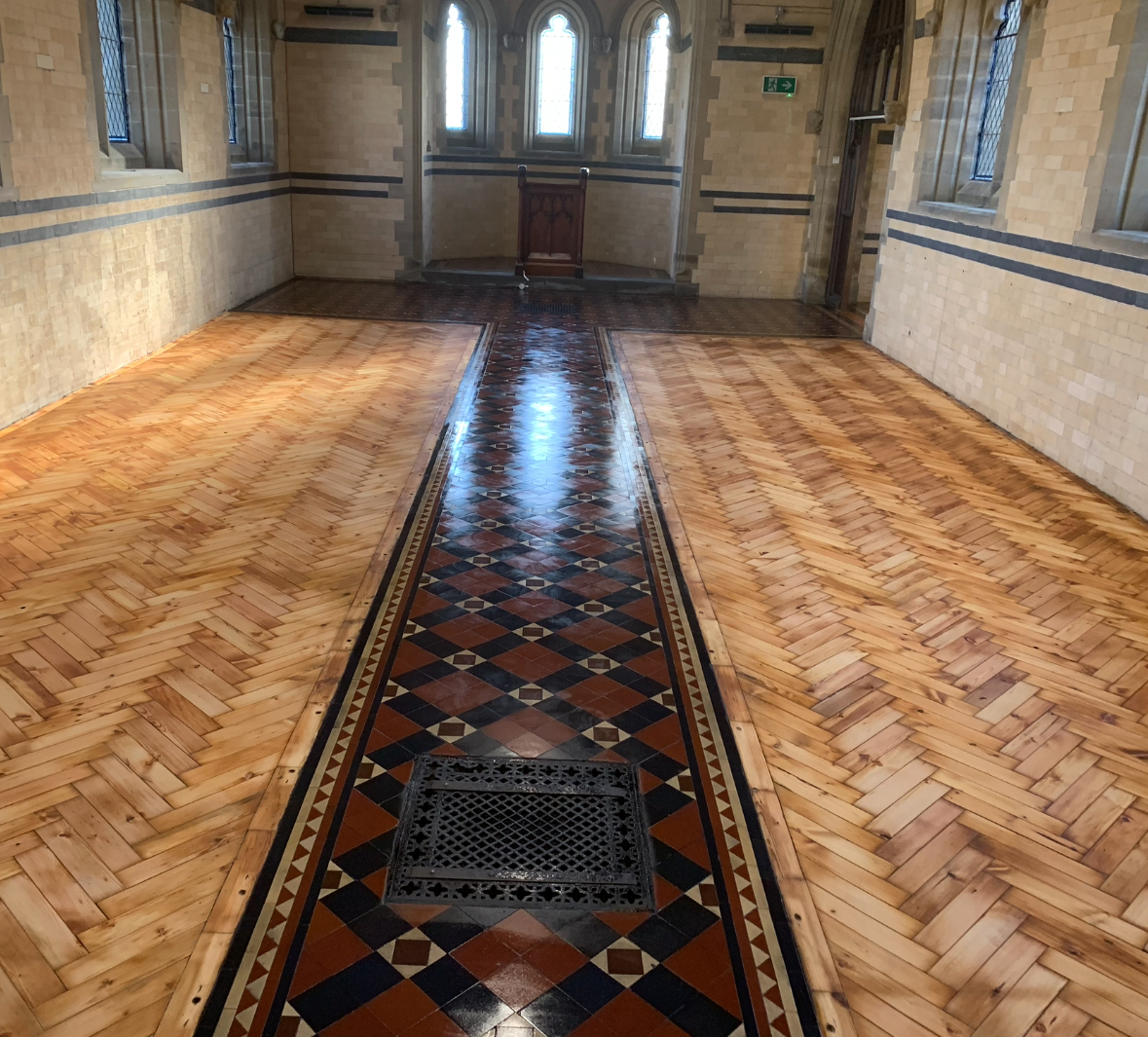
Professional wood floor restoration can completely transform the appearance of a room without replacing the existing flooring, helping original floorboards, parquet flooring and hardwood floors become a feature of the property once again.
Don’t Wait Until Restoration Becomes More Difficult
One of the biggest misconceptions is that wooden floors should only be sanded once they’re badly damaged.
In reality, restoring a floor before significant wear develops often produces the best long-term results.
We regularly assess floors that homeowners believe need replacing, only to find they can be successfully restored through professional sanding, repairs and refinishing.
Whether you have original Victorian pine floorboards, Edwardian timber flooring, parquet blocks or modern engineered wood flooring, acting early can help preserve both the appearance and lifespan of the floor.
If you’re unsure whether restoration or replacement is the better option, our guide to Floor Sanding vs Replacing Wooden Floors explains when each approach is most appropriate.
Frequently Asked Questions
How often should a wooden floor be sanded?
Most wooden floors only require professional sanding every 10 to 20 years, depending on foot traffic, maintenance and the type of finish used.
Can scratched wooden floors be restored?
Yes. In most cases, professional wood floor sanding removes surface scratches before the floor is refinished with a new protective coating.
Can parquet flooring be sanded?
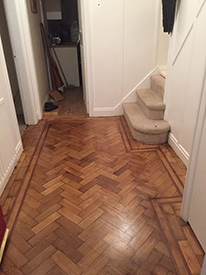
Yes. Professional parquet floor restoration can restore worn parquet flooring while preserving its original pattern and character.
Does every dull wooden floor need sanding?
Not always. Some floors may simply require cleaning or maintenance, while others will benefit from professional sanding and refinishing. A professional assessment can determine the most suitable approach.
Looking After Wooden Floors Across Yorkshire
At Wood Floor Sanding Professionals, we help homeowners, landlords and businesses restore original floorboards, parquet flooring, hardwood flooring and engineered wood flooring throughout Leeds, Sheffield, Doncaster, Wakefield, Barnsley, Bradford, Huddersfield and the surrounding areas.
Using professional dust-free sanding equipment and premium protective finishes, we restore tired wooden floors with minimal disruption while preserving their natural character and beauty.
You can also explore our Wood Floor Sanding services, view examples of completed projects in our Gallery, or contact us directly to discuss your flooring restoration project.
Call today on 07545 071 446.