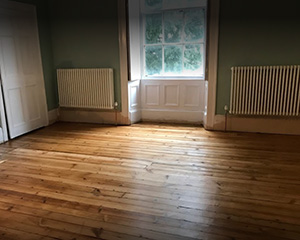
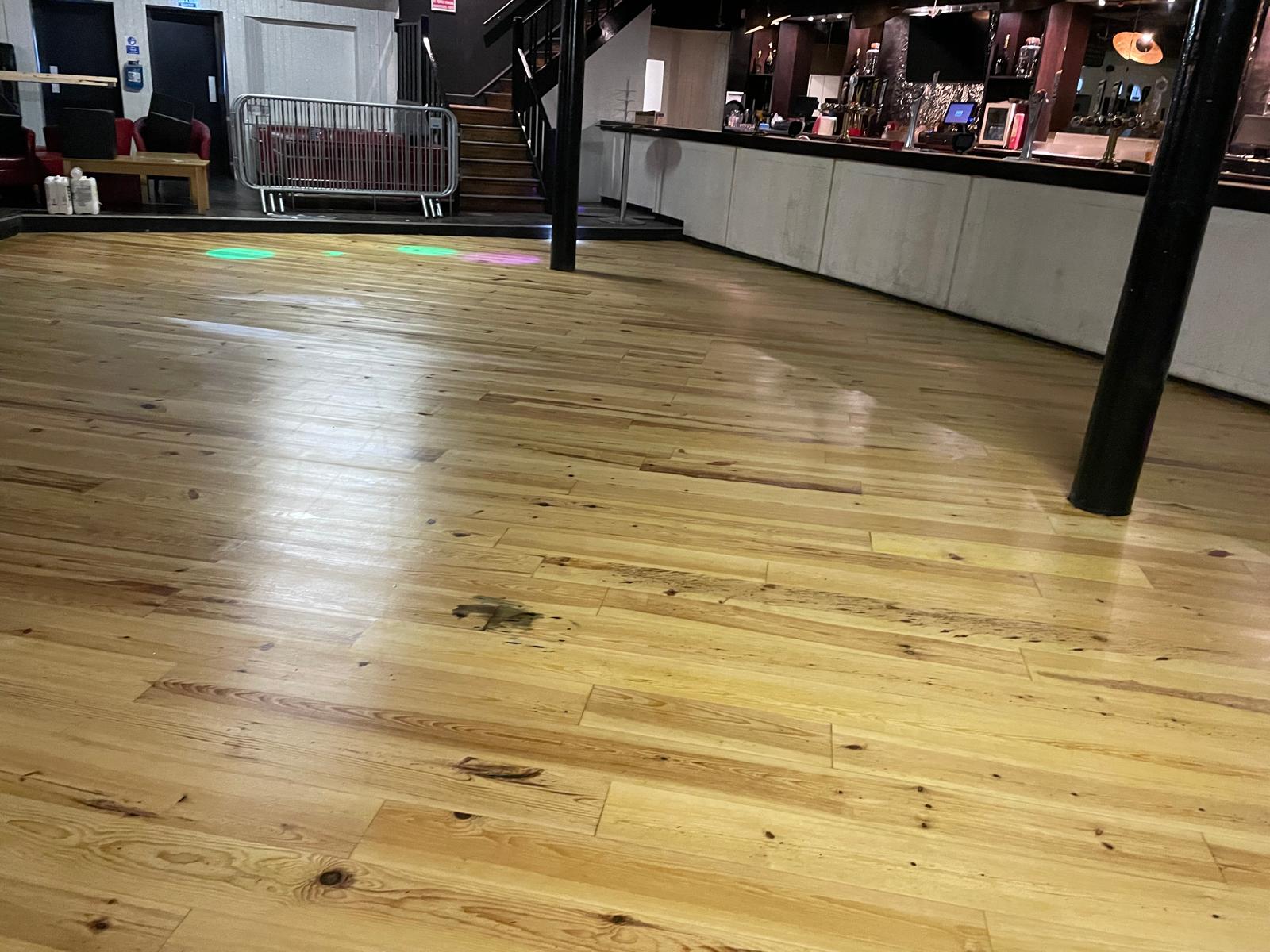
If your wooden floors are scratched, worn or showing signs of age, you may be wondering whether it’s better to sand and restore them or replace them completely. In most cases, professional wood floor sanding and restoration is significantly more cost-effective than replacement flooring and can achieve outstanding results. Many hardwood floors, parquet floors and original floorboards that appear beyond repair can often be successfully restored through sanding, repairs and refinishing.
Across Yorkshire, we regularly inspect floors that homeowners believe need replacing, only to discover that they can be restored to an excellent standard. Whether it’s original pine floorboards hidden beneath old carpets or parquet flooring showing decades of wear, restoration is often a realistic and cost-effective alternative to replacement.
Why Many Homeowners Assume Replacement Is Necessary
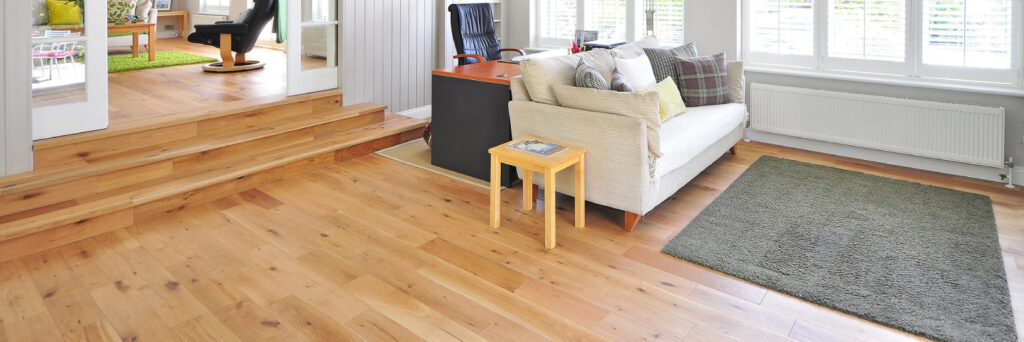
It’s easy to understand why people assume replacement is the only option.
After lifting carpets or inspecting old flooring, homeowners often discover:
- Deep scratches
- Paint splashes
- Carpet gripper damage
- Old adhesive residue
- Surface staining
- Worn finishes
- Uneven colouring
- Gaps between floorboards
At first glance, these problems can make a floor look beyond repair. However, most of these issues are cosmetic rather than structural. Professional floor sanding and wood floor restoration can often remove years of wear and reveal the natural timber beneath.
Before deciding to replace a floor, it is always worth having it professionally assessed.
When Floor Sanding Is Usually the Better Option
Wood floor sanding is designed to restore the appearance of existing timber flooring by removing scratches, stains and worn finishes before applying a new protective coating.
In many situations, sanding and refinishing can completely transform a floor without the expense and disruption of replacement.
Floor sanding is often the better option when:
- The floor is structurally sound
- Damage is mainly cosmetic
- The timber remains stable
- Surface scratches are visible
- Existing finishes are worn
- Character features are worth preserving
- The floor has historical or architectural value
Professional wood floor sanding can dramatically improve the appearance of a floor while extending its lifespan for many years.
Examples of Floors That Can Often Be Restored
Many flooring types respond extremely well to restoration.
Examples include:
- Original pine floorboards
- Victorian floorboards
- Edwardian timber flooring
- Oak flooring
- Hardwood flooring
- Parquet flooring
- Herringbone flooring
- Engineered wood flooring (subject to wear layer thickness)
These floors often contain high-quality timber that would be expensive to replace today.
When Replacing Wooden Floors May Be Necessary
Although restoration is often possible, there are situations where replacement may be the better solution.
Replacement flooring may be required where:
- Significant rot is present
- Severe water damage has occurred
- The floor has structural problems
- Large sections of timber are missing
- Previous repairs have compromised the floor
- The existing flooring cannot be safely restored
Fortunately, these situations are less common than many homeowners expect.
This is why a professional inspection should always take place before deciding whether replacement is necessary.
Comparing the Costs
One of the biggest reasons homeowners choose wood floor restoration is cost.
Installing new hardwood flooring, engineered wood flooring or parquet flooring can be a substantial investment, particularly when the existing flooring must first be removed and disposed of.
By comparison, sanding and refinishing an existing floor is often significantly more affordable.
Restoration can also eliminate the need for:
- Floor removal costs
- Waste disposal costs
- New flooring materials
- Additional fitting costs
- Extended installation times
For homeowners weighing up the financial side of the decision, our guide to floor sanding costs provides further information about typical restoration pricing.
Which Option Creates Less Disruption?
Replacing a floor often involves removing existing flooring, preparing subfloors and fitting entirely new materials.
Depending on the size of the property, this process can take several days or even weeks.
Professional floor sanding and refinishing is typically faster and far less disruptive.
Modern dust-free sanding systems help minimise airborne dust while allowing homeowners to retain the flooring already in place.
For many households, restoration offers a much more convenient solution.
Preserving Character and Original Features
One of the strongest arguments in favour of restoration is the ability to preserve original character.
Across Yorkshire, many homes still contain original timber flooring that contributes significantly to their appearance and value.
This is particularly true in:
- Victorian terraces
- Edwardian semi-detached homes
- Period townhouses
- Former mill workers’ cottages
- Character properties
These buildings often feature original pine floorboards and traditional timber flooring that would be difficult to replicate using modern materials.
Restoration allows homeowners to preserve these features while improving durability and appearance.
Sustainability and Environmental Benefits
Restoring an existing floor is often the more environmentally responsible choice.
By retaining timber already within the property, homeowners can reduce waste and minimise the demand for new materials.
Benefits include:
- Reduced landfill waste
- Preservation of existing resources
- Lower environmental impact
- Extended flooring lifespan
- Reduced manufacturing demand
As sustainability becomes increasingly important, restoration is often viewed as the greener option.
What Results Can Be Achieved Through Restoration?
Many homeowners are surprised by the transformation professional floor sanding can achieve.
Restoration can improve:
- Scratched floors
- Dull finishes
- Surface stains
- Minor imperfections
- General wear and tear
- Discoloured timber
- Paint-covered floorboards
Following sanding, protective finishes such as hardwax oils and commercial-grade lacquers help enhance the natural grain while providing long-term protection.
In many cases, the finished floor looks dramatically different from its original condition.
Does Floor Sanding Add Value?
Original timber flooring remains a highly desirable feature in many homes.
Professional wood floor restoration can improve presentation, preserve character and help create a positive first impression for potential buyers.
While every property is different, many homeowners view floor sanding as an investment in both the appearance and long-term appeal of their home.
Frequently Asked Questions
Is it cheaper to sand or replace wooden floors?
In most cases, sanding and refinishing existing timber flooring is considerably cheaper than replacing it.
Can parquet flooring be restored?
Yes. Professional parquet floor restoration can remove scratches, worn finishes and surface damage while preserving the original pattern.
Can engineered wood flooring be sanded?
Many engineered wood floors can be sanded and refinished, depending on the thickness of the wear layer.
How long does floor sanding last?
A professionally restored floor can last many years before additional sanding is required, depending on usage and maintenance.
Is floor sanding messy?
Modern dust-free sanding systems dramatically reduce airborne dust compared to traditional sanding methods.
So, Which Option Is Better?
For most homeowners, professional wood floor sanding and restoration is the better option. It is typically more affordable, less disruptive and allows original timber flooring to be preserved rather than removed.
However, where severe structural damage, extensive rot or significant water damage is present, replacement may be necessary.
The best way to determine which option is right for your property is to have the floor professionally assessed before making a decision.
You can also explore our Wood Floor Sanding services, view examples of completed projects in our Gallery, or contact us directly to discuss your flooring restoration project.
Call today on 07545 071 446.